
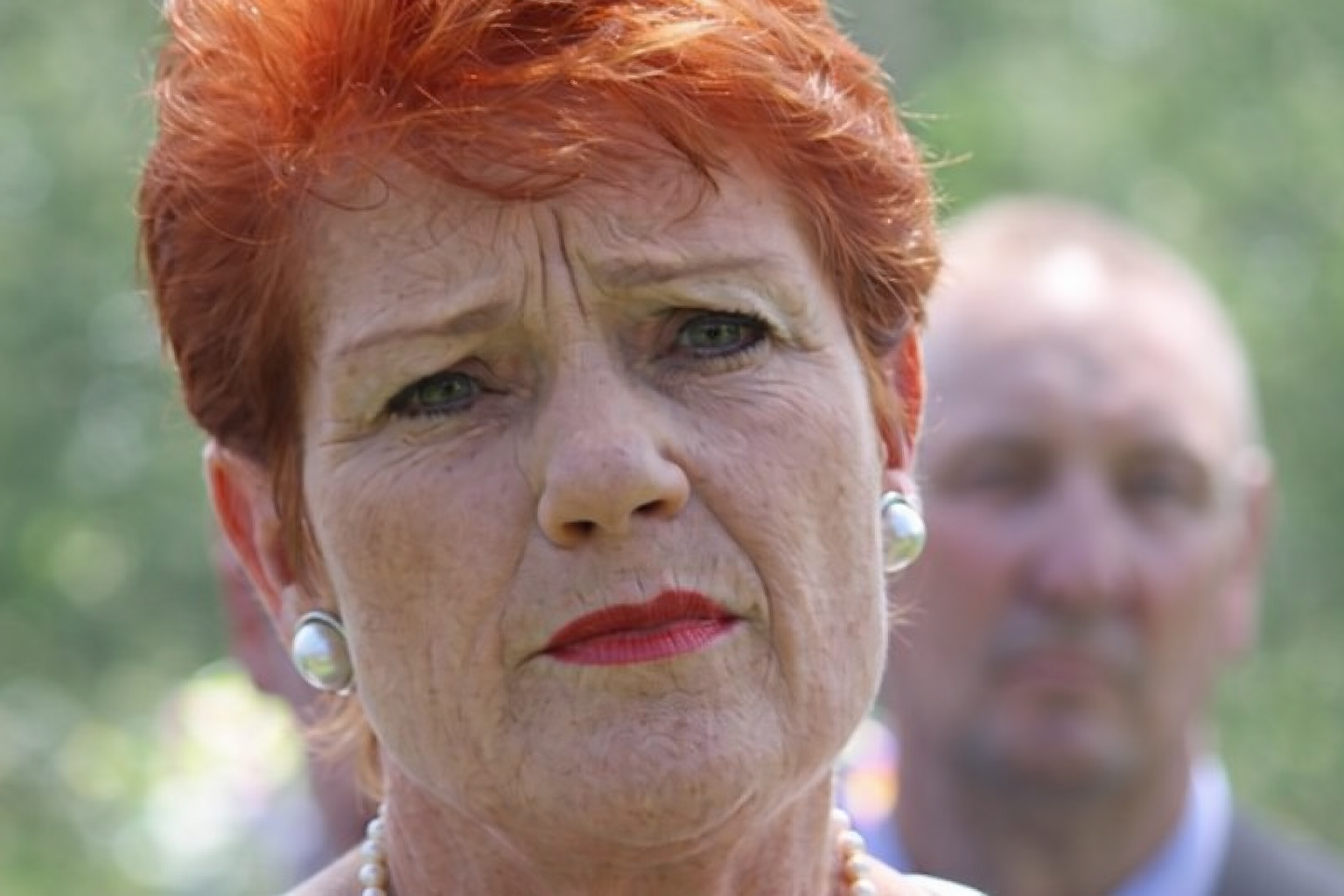
Australia: outcry after Islamophobic remarks by far-right leader Pauline Hanson
In Australia, declarations of Pauline Hansona far-right figure and leader of the One Nation party, provoked a wave of condemnations. Accused of targeting all Australian Muslims, she is called to apologize by several political and institutional leaders. The controversy erupted after a televised intervention during which Pauline Hanson cast doubt on the very existence of “good Muslims”, suggesting that this community represented a collective threat. Comments deemed racist and dangerous, including by conservative elected officials.
Call for official apology
The Australian Anti-Racial Discrimination Commissioner, Giridharan Sivaraman, denounced statements which, according to him, undermine the dignity of an entire community. He recalled that Muslims are an integral part of Australian society and that public officials have a duty to bring people together, not to stigmatize.
Notably, the criticism does not come only from the left. Conservative senator Matt Canavan called the comments “totally un-Australian”, saying they insult hundreds of thousands of Muslim citizens. New South Wales Premier Chris Minns called the exit “racist”, emphasizing the essential contribution of Muslim Australians to the life of the country.
Faced with the outcry, Pauline Hanson offered a conditional apology, saying she regretted having offended certain people, while maintaining her accusations. A position which only fueled criticism. Questioned again, she persisted in sowing doubt about the loyalty of Australian Muslims, relying on contested security arguments.
These remarks are part of a long series of provocations. The far-right leader has already been convicted of racial discrimination, sanctioned by Parliament and regularly accused of fueling divisions, particularly against Muslims. The Prime Minister Anthony Albanese recalled that Pauline Hanson had distinguished herself for years by a strategy based on division rather than concrete solutions. In an Australia that claims to be multicultural, these statements revive concerns about the trivialization of Islamophobic discourse. Many voices are calling to defend national unity and to reject the amalgamations that weaken living together.
