
Gaza: invaded by rats, a population exposed to serious health risks
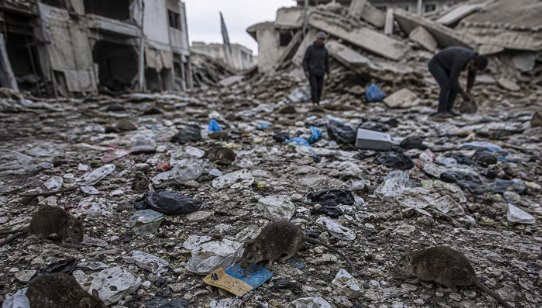
In the Gaza Strip, the living conditions of the displaced are further deteriorating. In overcrowded camps, rats and weasels proliferate because of waste and sewage, sometimes attacking residents, particularly children and vulnerable people. A little girl was bitten during the night, illustrating a situation that has become common. These rodents bite residents directly: infants, the sick and the elderly have been attacked, and some reports suggest serious injuries. These attacks mainly occur at night, when families sleep in poorly protected tents.
“We are suffering from two wars. The war of bombs, and the war of rats.”
Rats have overrun Gaza’s displacement camps – biting children as they sleep, spreading disease and destroying what little people have left. pic.twitter.com/g3S6jcymyY
— AJ+ (@ajplus) May 1, 2026
According to the UN, nearly 80% of sites hosting displaced people are affected by these pests, which exposes around 1.45 million people to significant health risks (infections, skin diseases, poisoning). With infrastructure largely destroyed, waste accumulates and encourages the spread of parasites. Residents say they live in fear, especially at night, and stay awake to protect their children. Rodents also destroy food and clothing, further aggravating poverty. Between odors, insects and promiscuity, daily life becomes more and more difficult. Humanitarian organizations are warning of a public health crisis and calling for urgent means to clean areas, repair water networks and improve sanitation.
Despite some aid, the situation remains blocked and could worsen with the arrival of summer. This situation highlights the limits of the international response to the ongoing genocide. Despite repeated condemnations and calls to improve access to humanitarian aid, truly restrictive measures, such as significant sanctions or effective diplomatic pressure mechanisms, remain largely absent or timid. This gap between speeches and actions contributes to prolonging the deterioration of the living conditions of civilians and raises the question of the coherence and credibility of the international system in the face of a major humanitarian crisis, for which Israel is held responsible.
Gaza: invaded by rats, a population exposed to serious health risks
In the Gaza Strip, the living conditions of the displaced are further deteriorating. In overcrowded camps, rats and weasels proliferate because of waste and sewage, sometimes attacking… pic.twitter.com/t0qy9tmDX7
— Oumma.com (@oumma) May 3, 2026
