
Gaza: Sofia Amara shakes the LCI set, Darius Rochebin interrupts, unable to accept these truths.
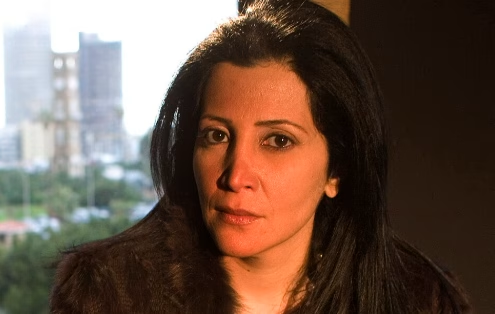
A televised debate on the situation in the Gaza Strip gave rise to a tense exchange between senior reporter Sofia Amara and journalist Darius Rochebin. “The Gaza Strip was locked up, surrounded,” said Sofia Amara, referring to “restrictions” and a population “three-quarters of which are refugees from 1948.” “If you lock people up for 20 years (…) and you don’t give them food,” she continued, linking this context to “what we saw on October 7.” While she was developing this analysis, Darius Rochebin interrupted her to try to reframe the exchange, marking his implicit disagreement with this reading.
“Hamas was facilitated,” said Sofia Amara, referring to past political choices. In other words, the scene says something else: in Gaza, certain interpretations go poorly on the air. As soon as a discourse deviates from the dominant framework or links violence to structural causes, the debate becomes tense, accelerates, and interrupted. More than a simple disagreement, it is the symptom of a media space where complexity struggles to unfold without friction — and where certain words, true or contested, immediately become flammable.
Gaza: Sofia Amara shakes the set, propagandist Darius Rochebin interrupts, unable to accept these truths. pic.twitter.com/HQRzM5moj3
— Oumma.com (@oumma) April 22, 2026
