
In London, young Muslims are reinventing inclusive Ramadan outside mosques, reports The Guardian
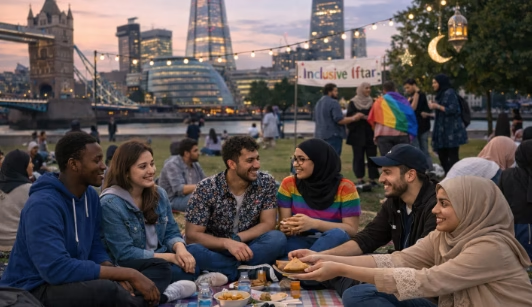
According to an article published by The Guardianyoung London Muslims have been able to reinvent Ramadan by creating inclusive, open and supportive gathering spaces, but this dynamic is today weakened by the lack of places to meet. The article recalls that, during the last Ramadan, hundreds of Muslims met every evening at London for iftars organized outside traditional mosques. These meetings, often led by women, queer-friendly and marked by great social and cultural diversity, offered an alternative to practices considered more rigid or normative.
The Guardian underlines that these initiatives emerged in a particularly tense context: war in Gaza, rising Islamophobia in the United Kingdom and a growing sense of polarization in society. In this climate, these iftars played a role as a “third space”, promoting social bonds, solidarity and a feeling of belonging, particularly among young Muslims. The British daily highlights several emblematic projects, including Ramadan Space, which has become a central meeting place for many, but also initiatives combining feminist prayer, artistic creation, well-being or charitable actions. All participate, according to the article, in a redefinition of Ramadan as a time of compassion, generosity and broader community.
But The Guardian also warns of the fragility of this model. As the new Ramadan approaches, the loss of a key location prevents Ramadan Space from organizing its events like last year. For the author of the article, this is not a simple logistical setback, but a broader risk: that of seeing the disappearance of spaces that respond precisely to the needs for cohesion, support and meaning that London society is sorely lacking. The article concludes that community is not created spontaneously, but is built through repeated choices to come together and share. And that preserving these spaces is an issue that goes far beyond just the religious framework.
