In the United States, mosques open mental health centers to lift taboos
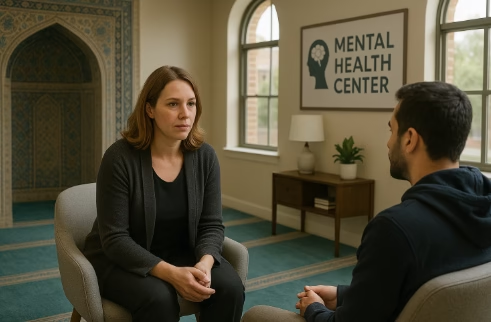
Faced with cultural obstacles and the weight of stigma, more and more American mosques are creating spaces dedicated to mental health in order to support a community that has long been reluctant to consult. In Detroit, the center MY Mental Wellness Clinicinstalled within the Islamic Center, illustrates this evolution. For its director, Danish Hasan, the priority is clear: to make access to care simpler and more acceptable. “We have a little more stigma than other communities,” he admits.
For many American Muslims, personal difficulties must first be resolved within family or with the help of an imam. But this approach shows its limits. Religious leaders, such as Imam Mohamed Magid of the ADAMS center in Virginia, are now collaborating with psychologists to offer joint support. “When the faithful understand that the imam and the therapist are working together, they are relieved,” he explains. In California, the Maristan center applies the same logic: integrating psychology into the heart of community institutions, while allowing those who wish to benefit from an approach combining faith and therapy. A way of responding to the religious scruples that can accompany certain disorders, such as the obsession with ablutions among people suffering from OCD.
The opening of these services responds to growing demand, particularly among young people, who are often forced to seek help discreetly. By setting up in mosques, these clinics intend to normalize the use of care and remind people that faith and psychological care are not opposed to each other, but complement each other.
