
Israeli bonds: Mamdani refuses that New York finance Israel’s debt
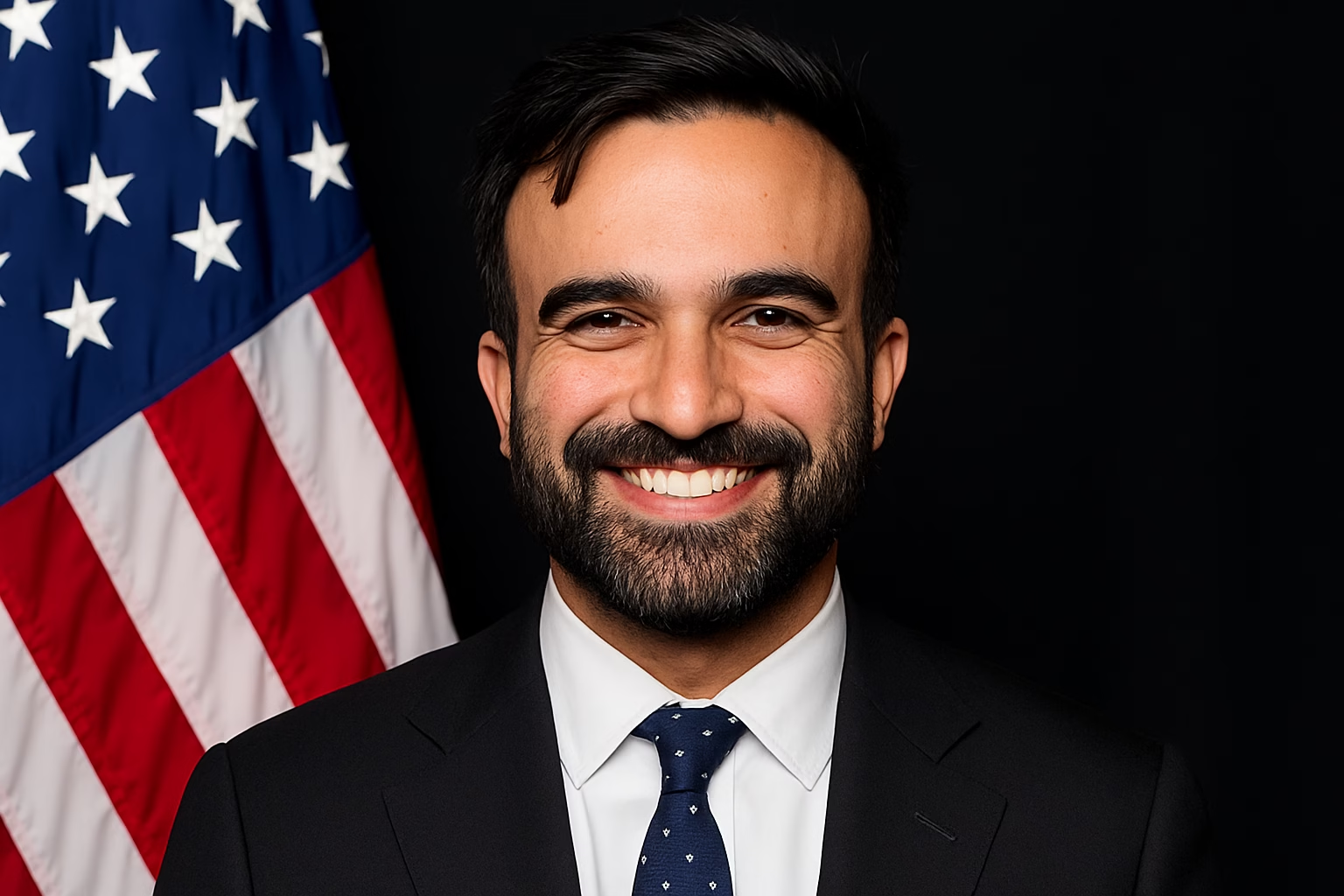
The mayor of New York, Zohran Mamdanireaffirmed his opposition to the purchase of Israeli bonds by the city, despite the wishes of the municipal financial controller, Mark Levineto relaunch these investments. Bonds are debt securities: buying them means financing the debt of a State, in exchange for interest paid to investors. In this case, such a choice would commit New York public funds to financing the State ofIsrael.
Just a few weeks after they took office, the disagreement crystallized. Mark Levine, in charge of financial supervision of the city, defends an investment that he considers profitable and historically proven. Zohran Mamdani, an outspoken critic of Israeli policy and close to movements calling for a boycott of Israel, believes for his part that New York does not have to buy the debt of a foreign state – recalling that the city does not do this for any other country.
This position is part of a constant political line. Mamdani repeatedly described the situation as Gaza of “humanitarian catastrophe”, denouncing the bombings, the siege imposed on the civilian population and the collapse of living conditions. He has long called for an immediate ceasefire and the protection of Palestinian civilians. The New York mayor also calls into question the political responsibility of the Israeli government and its Prime Minister, Benjamin Netanyahuaccused of pursuing a destructive military strategy in contradiction with international law.
If Mamdani and Levine also display a desire for cooperation, this sensitive issue could quickly place them on a collision course. Especially since, even marginal on the scale of the approximately 294 billion dollars in assets of municipal pension funds, these obligations have become highly symbolic in a tense political and international context. The debate finally revives the tensions inherited from the previous administration, when the question of investments in Israel had already opposed the mayor and the financial controller. This time, the roles are reversed – but the controversy remains.
