Netanyahu: Arab countries are “making fun”
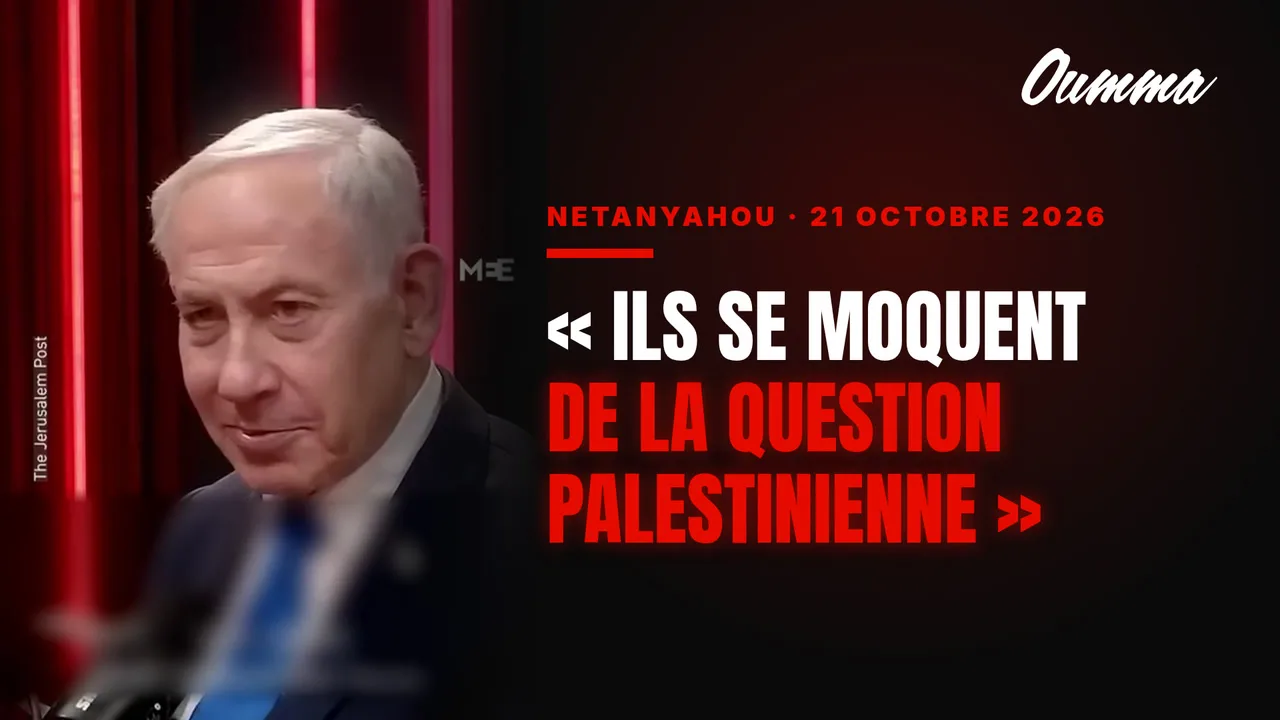
“You want the truth? » On October 21, 2026, his 77th birthday and six days before the Israeli legislative elections, Benjamin Netanyahu received two journalists from Jerusalem PostZvika Klein and Amichai Stein. Asked which Arab countries would be bothered by the presence of the far right in their government, he responded with a sentence that Middle East Eye recirculated: “Most don’t care at all. » Including, he added, the Palestinian question.
“We have to say it, but we don’t mean it”
The journalist argues that many countries in the region do not have a problem with Netanyahu, but do with members of his government, “like Itamar Ben Gvir”, Minister of National Security and leader of the Otzma Yehudit party. And not just in their public statements: “even behind closed doors”. The Prime Minister corrects first: those who have a problem with his ministers are the Europeans. Then he comes to the Arab countries:
“Most don’t care at all. And they couldn’t care less about the Palestinian question. And they say: we have to say it, but we don’t mean it. In reality, what interests them is (…) the survival of their own regimes, of their own governments. »
THE Jerusalem Post published these remarks in writing on October 21 and 22, in the same terms: “Most of them couldn’t care less”, then “they couldn’t care less about the Palestinian issue, and they said, ‘We have to say it, but we don’t mean it'”. The phrase about “the survival of their own regimes” only appears in the video, the extract of which we have translated.
“No Palestinian state, period”
The rest of the interview says the same thing differently. On the Palestinian question, Netanyahu poses a “first principle: no Palestinian state, period”. The newspaper summarizes its vision of such a state: an Iranian terrorist base that would overlook major Israeli cities. And he promises new normalization agreements: “we are undoubtedly talking about more than two”, then “much more than two”, without naming a single country.
In other words, normalization with Arab capitals would take place without the Palestinians, since, according to him, these capitals do not care. This is the bet of the 2020 Abraham Accords, and Netanyahu presents it as one of the principles of his next government.
A phrase he has been repeating for years
This is not an end-of-campaign slip-up. Already in January 2026, in an interview with The Economist reported by Arutz Sheva, Netanyahu assured that many Arab leaders “don’t give a hoot”, that is to say, have nothing to do with the Palestinian question, beyond the effect it produces on their public opinion. The Palestinian agency Sama translated his words: “In private? Do you want the truth? Many of them don’t care at all. »
The process is always the same: attributing to Arab leaders, without naming them, a double standard that no one can verify, since it would be held “behind closed doors”. And use it to tell his voters that Israel’s isolation does not exist.
What Arab capitals are saying publicly
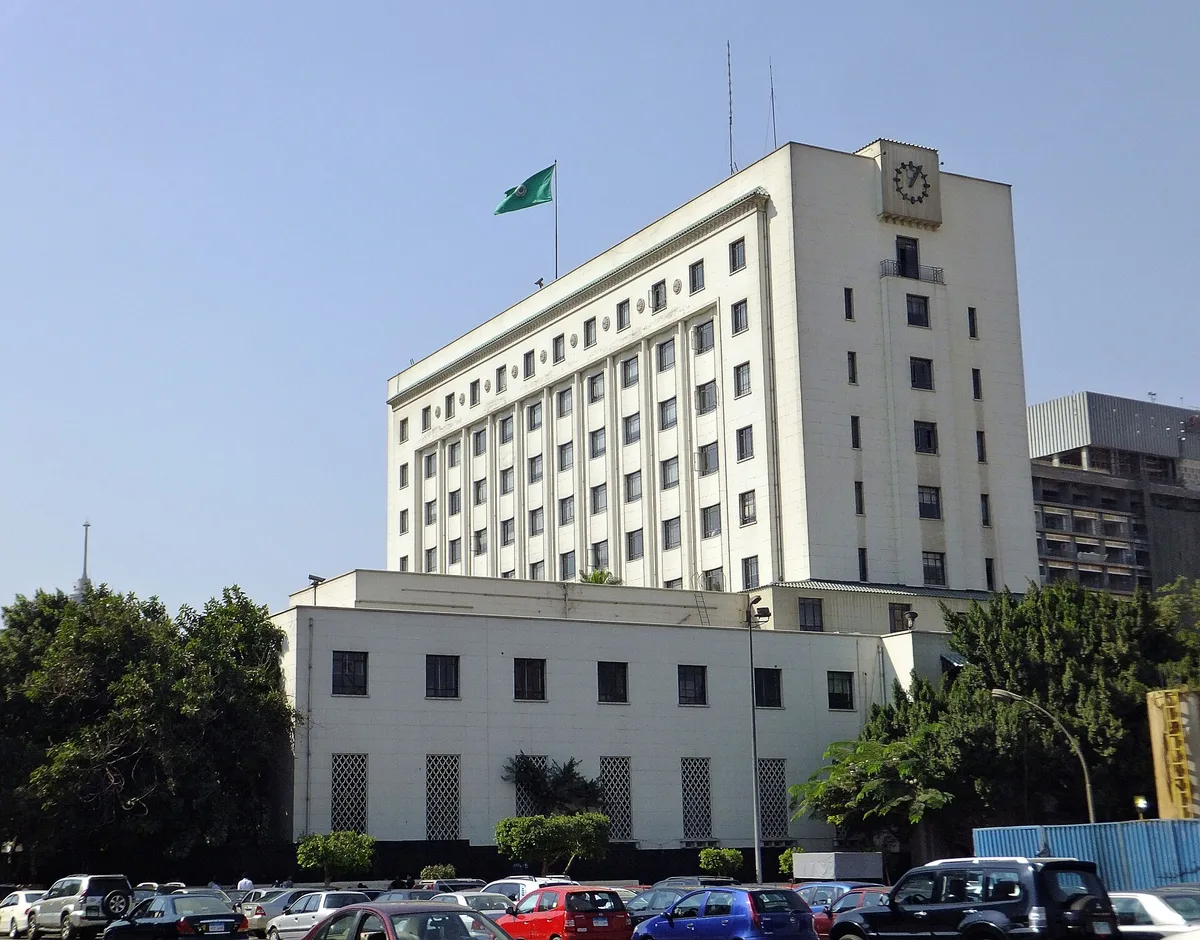
Official statements say the opposite. On September 6, 2026, the foreign ministers of Saudi Arabia, the United Arab Emirates, Qatar, Jordan, Egypt, Turkey, Pakistan and Indonesia reaffirmed their support for an “independent and sovereign” Palestinian state on the lines of 1967, with East Jerusalem as its capital, according to the Jerusalem Post. The same newspaper reports that Riyadh joined a new joint declaration to this effect on October 16, five days before the meeting.
On October 25, four days after the meeting, Saudi Arabia, Turkey, Egypt and Pakistan called Israel “the main source of instability in the region,” Euronews reports in Arabic. In early November, a source familiar with Saudi diplomacy told Israeli public radio Kan that normalization was not on the agenda “as long as Netanyahu is in power with the current government” because “he doesn’t want peace, he wants escalation.” Riyadh wants, according to this source, that the Israeli-Palestinian question be resolved by the two-state solution.
Do Arab leaders privately think anything other than what they sign? Netanyahu says so; there is nothing to verify this. But Saudi Arabia, the partner he most covets, publicly sets the Palestinian state as a condition and designates it as the obstacle.
Ben Gvir, Europeans and the post-election
If Netanyahu refers the question to the Europeans, it is because Europe was invited into the campaign. Itamar Ben Gvir accused, according to Ynet, the Prime Minister’s office of having promised in writing to European governments to exclude him from the next government. On October 15, on army radio, Netanyahu had already closed the door of the Ministry of Defense to his ally: “I know he wants it, but he is not the one who decides. » Ben Gvir replied that he would have more seats and that he would be Minister of Defense. In the Jerusalem PostNetanyahu decides again: the next defense minister must come from Likud. But he immediately adds, for anyone worried about his allies: “It will be our government. We decide policy. »
The October 27 vote gave Likud 27 seats, ahead of Gadi Eisenkot’s Yashar party (21). But Netanyahu’s right-wing bloc has only 53, eight seats short of the majority of 61, according to the final results of the electoral commission. Otzma Yehudit, Ben Gvir’s party, obtained 7. Negotiations to form the government are underway.
Whatever comes out, Netanyahu set the course before the vote: no Palestinian state, and Arab agreements that he considers possible without him, on the grounds that the regimes in the region only think about their own survival.
Video: The Jerusalem Post, extract taken by Middle East Eye. Translation and subtitles: Oumma.
Sources: The Jerusalem Post, 10/21/2026; The Jerusalem Post, 10/22/2026; Arutz Sheva, 01/09/2026; The Jerusalem Post, 06/09/2026; Euronews (Arabic), 06/11/2026; The Jerusalem Post, according to Kan; The Times of Israel, 10/15/2026; Ynet; JNS.
