
New York: several monuments, including One World Trade Center, lit up in green for Muslim Heritage Month
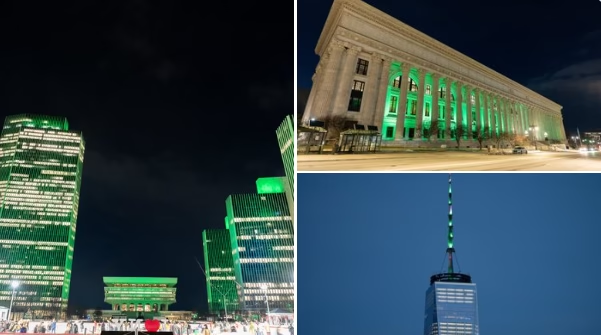
Sixteen iconic New York State monuments were lit green on January 2, at the initiative of the Democratic governor Kathy Hochulto mark the Muslim American Heritage Monthofficially proclaimed for the first time statewide. Among the sites concerned are in particular the One World Trade Centerthe Mario M. Cuomo Bridge, Grand Central Terminal, as well as several administrative buildings in Albany. According to the governor, this initiative aims to recognize “the values, faith and traditions of American Muslim communities” in a state that is home to the largest Muslim population in the country. The New York executive also says it wants to send a clear message to combat Islamophobia, religious discrimination and violence targeting minorities.
But the green illumination of certain sites, in particular One World Trade Center, quickly aroused strong reactions. On social networks, Republican elected officials and several conservative figures denounced a gesture deemed “inappropriate” and “insensitive”, due to the symbolic charge of the place, erected on the site of the attacks of September 11, 2001. Some criticisms have revived old amalgamations, improperly linking Islam as a whole to the terrorist attacks perpetrated by Al-Qaeda. These reactions caused a shock wave in the American public debate, revealing once again the persistence of ideological and emotional readings around September 11, to the detriment of a clear distinction between terrorism and Muslim communities, themselves deeply marked by these events and the consequences that followed.
Conversely, many political and associative voices welcomed a recognition deemed late but necessary. The new mayor of New York, Zohran Mamdanithe city’s first Muslim mayor, recalled that Muslims “have been part of New York’s history for centuries.” He highlighted their contribution to the economic, cultural and social life of the metropolis, from small businesses to medical professions, including public services.
Several state Muslim elected officials and association leaders also expressed their support for the initiative. The Council of Muslim Organizations of New York has spoken of the resilience of the community since 2001, despite a lasting increase in Islamophobic acts in the years following the attacks. According to theInstitute for Social Policy and UnderstandingMuslims occupy a significant place in key sectors of New York City: they notably represent 12.5% of pharmacists, 40% of taxi drivers and more than half of street food sellers. Figures often absent from public debate, but revealing a deep anchoring in urban daily life.
Beyond the controversy, the green illumination of sixteen monuments across the State raises a broader question: that of the symbolic recognition of religious minorities in public space, and the persistent resistance that it continues to arouse. For his supporters, this gesture constitutes a signal of inclusion. For its detractors, it rekindles unhealed wounds. Between memory, identity and politics, the debate remains open.
