Oumma invited to the 5th World Islamic Tourism Conference in Malaysia (WITC 2026) – Oumma
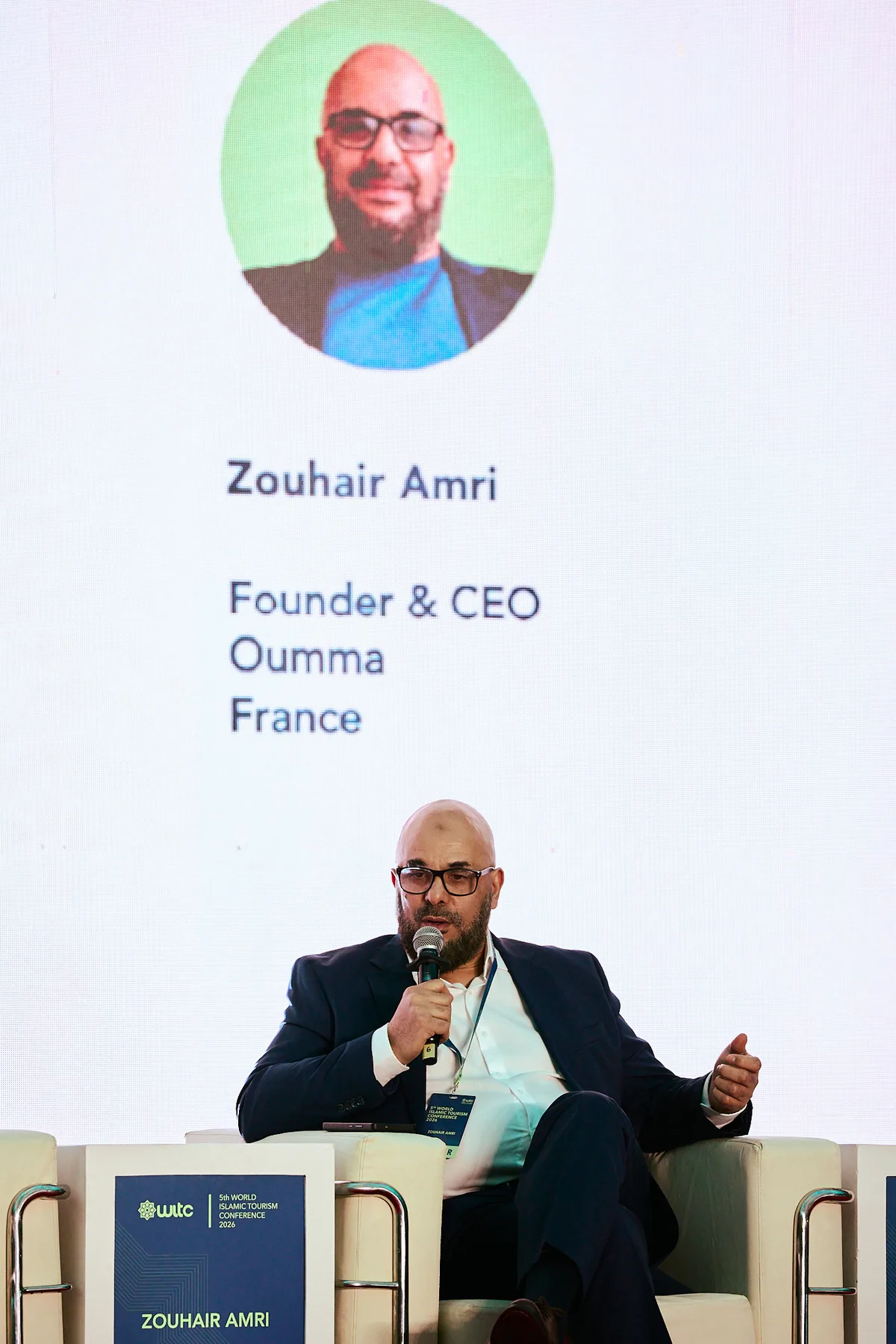
Malaysia hosted the 5th World Islamic Tourism Conference (WITC) on November 5 and 6, 2026, a major international meeting dedicated to a booming sector. Invited to participate in this event, Oumma was represented by its director and co-founder, Zouhair Amri, who spoke among international experts to share the French experience and discuss the perspectives of religious tourism and the halal economy.
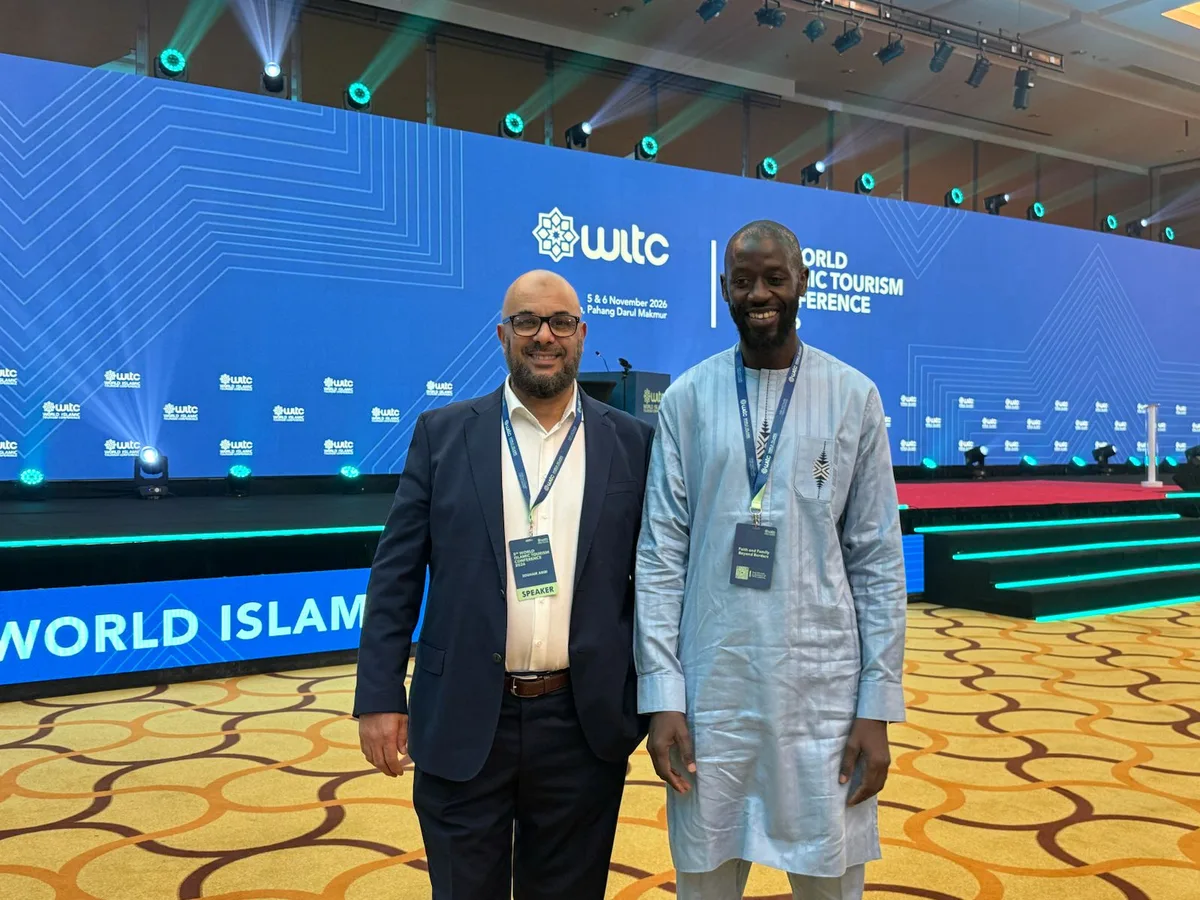
Government officials, international experts, entrepreneurs and tourism professionals from many countries met on November 5 and 6 in Kuantan, in the state of Pahang, Malaysia.
Organized by the Islamic Tourism Center (ITC), an organization under the supervision of the Malaysian Ministry of Tourism
The event brought together more than 150 international participants representing more than 35 countries, around a common objective: to reflect on the future of tourism adapted to the expectations of Muslim travelers. The discussions focused on numerous subjects: the future of Umrah, new tourist destinations, halal gastronomy, artificial intelligence, Islamic heritage, the expectations of Muslim families and opportunities for cooperation between the different players in the sector.
Political leaders and international experts gathered
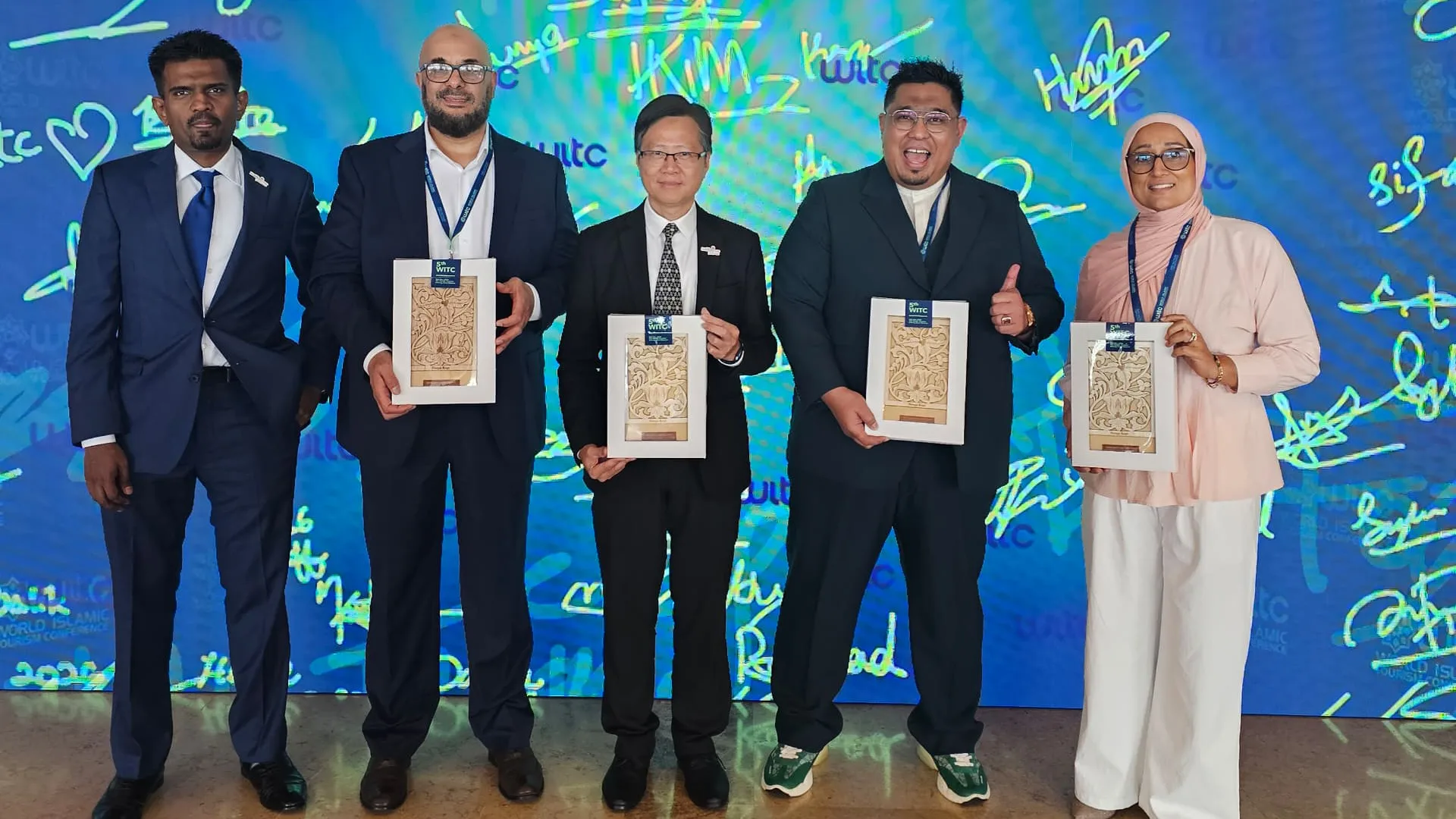
This conference benefited from significant Malaysian institutional support, illustrating the country’s desire to consolidate its position among the benchmark destinations for Muslim tourism. Among the personalities associated with the event were Dato’ Sri Diraja Haji Wan Rosdy Wan Ismail, head of the Pahang State Government, Chua Choon Hwa, deputy secretary-general for tourism at the Malaysian Ministry of Tourism, as well as Mohammad Faisal Abu Suaib Khan, general manager of the Islamic Tourism Centre.
Speakers from Europe, Asia, North America and the Middle East shared their experiences and visions for the development of Islamic tourism.
Beyond the conferences, meetings between delegations made it possible to promote professional exchanges and identify new prospects for economic cooperation.
Among the international speakers, Zouhair Amri, director and co-founder of the Oumma media, participated on November 5 in a round table devoted to the future of Umrah and the new economic opportunities that it can generate.
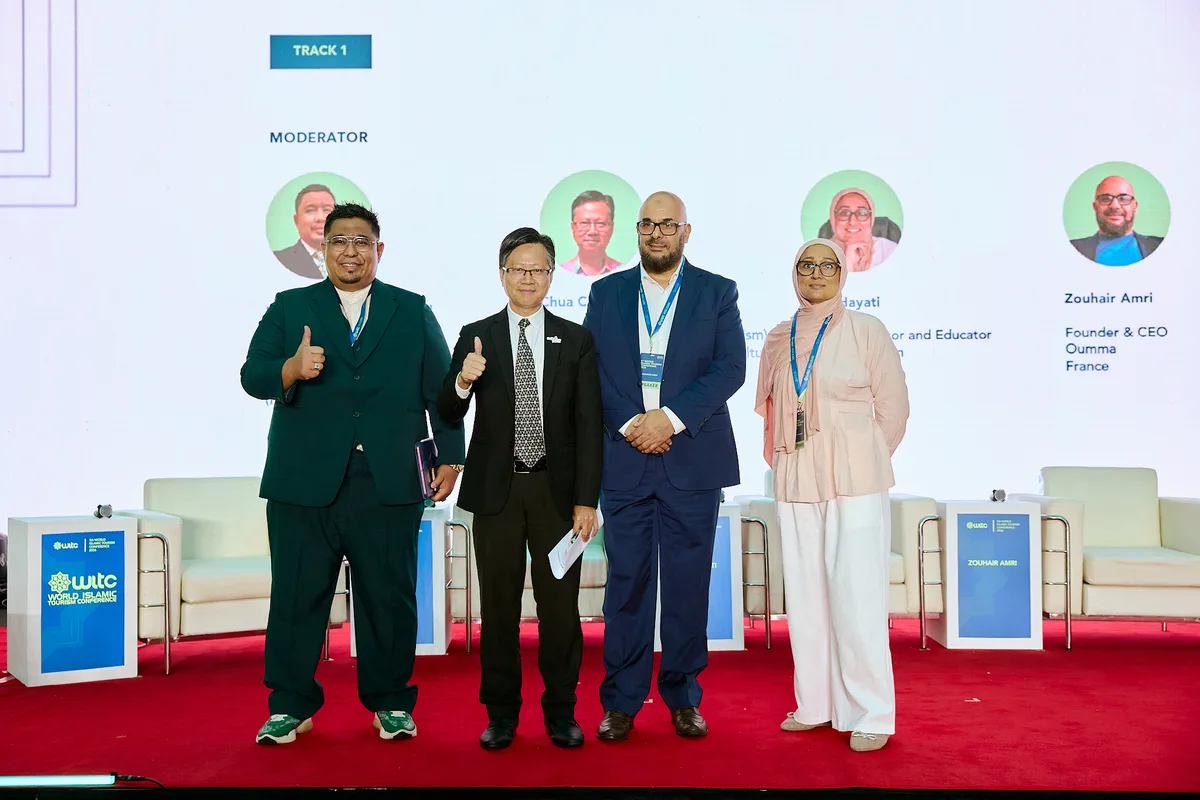
Titled “Future of Umrah: Awakening Regional Markets’ Intersectoral Opportunities,” the session also featured Chua Choon Hwa, a senior official from the Malaysian Ministry of Tourism, and Saira Hayati, a British content creator. The intervention of the Oumma representative notably shed light on the French market and, more broadly, on the expectations of Muslim consumers in French-speaking countries.
France, which is home to one of the largest Muslim populations in Europe, represents a market with strong potential for religious tourism, family travel and destinations offering services adapted to the expectations of this clientele.
From this perspective, Malaysia could particularly attract more French-speaking travelers by offering cultural, family or discovery stays, associated with broader circuits including Umrah.
Asked about the actions to be taken to attract more French tourists to Malaysia, Zouhair Amri insisted on the need to adopt a local approach. According to him, Malaysian tourism players must go directly to France to meet professionals in the sector, establish partnerships with specialized local media like Oumma, collaborate with influencers and content creators, but also exchange with travel agencies.
He stressed that an effective communication strategy cannot be built only remotely: it is essential to meet market players, speak to them in their language and understand their cultural codes, habits and expectations.
Zouhair Amri also recalled the importance of the potential represented by the French market, to which are added two neighboring French-speaking countries, Belgium and Switzerland. A set of markets which could constitute an important development lever for the Malaysian destination.
But Zouhair Amri’s intervention was also an opportunity to recall that France must also seize the opportunities offered by the growth of international halal tourism. According to him, French tourism professionals have every interest in developing offers Muslim-friendlyadapted to the expectations and religious requirements of Muslim travelers wishing to discover France.
He particularly stressed that these visitors want to benefit from the same tourist attractions as other travelers: discover the Eiffel Tower, visit the Louvre museum or the Palace of Versailles, but also appreciate French gastronomy. The difference lies in the need to offer them adapted services, in particular quality halal catering and the possibility of performing their prayers at the prescribed times.
For Zouhair Amri, it is therefore not a question of creating a separate tourism, but of allowing Muslim travelers to take full advantage of the French tourist offer while respecting their religious convictions. A development which represents as much a response to the expectations of this clientele as a real economic opportunity for tourism, hotel and catering professionals in France.
For the Malaysian authorities, the development of Islamic tourism constitutes a major economic and strategic issue. A predominantly Muslim country with developed tourist infrastructure, a significant halal catering offering and recognized experience in welcoming Muslim travelers, Malaysia intends to consolidate its international positioning.
This ambition is also part of the national tourism promotion strategy “Visit Malaysia 2026”.
According to the projections of State of the Global Islamic Economy Report 2025/2026cited at the conference, global spending by Muslim travelers could increase from $249 billion in 2024 to $424 billion in 2029.
These prospects illustrate the growing importance of a market that is no longer limited to religious pilgrimages. Islamic tourism now encompasses family trips, cultural stays, seaside holidays, wellness tourism, heritage discovery and gastronomic experiences.
For Malaysia, the challenge is to attract these visitors, but also to encourage investment, develop local businesses and strengthen partnerships with foreign markets.
This fifth World Islamic Tourism Conference confirms an underlying trend: tourism intended for Muslim travelers is becoming a structured international economic sector, at the crossroads of travel, culture, technology and the halal economy.
By bringing together public decision-makers, entrepreneurs and experts from different continents, Malaysia seeks to play a leading role in this transformation.
For Oumma, this participation constitutes a new opportunity to bring French experience into international exchanges devoted to the Islamic economy, but also to contribute to the rapprochement between entrepreneurs, institutions and markets.
As economic exchanges develop between Europe, Asia and the Muslim world, Islamic tourism appears to be a particularly promising area for new international cooperation.