
Saudi Arabia: Missile debris in the region
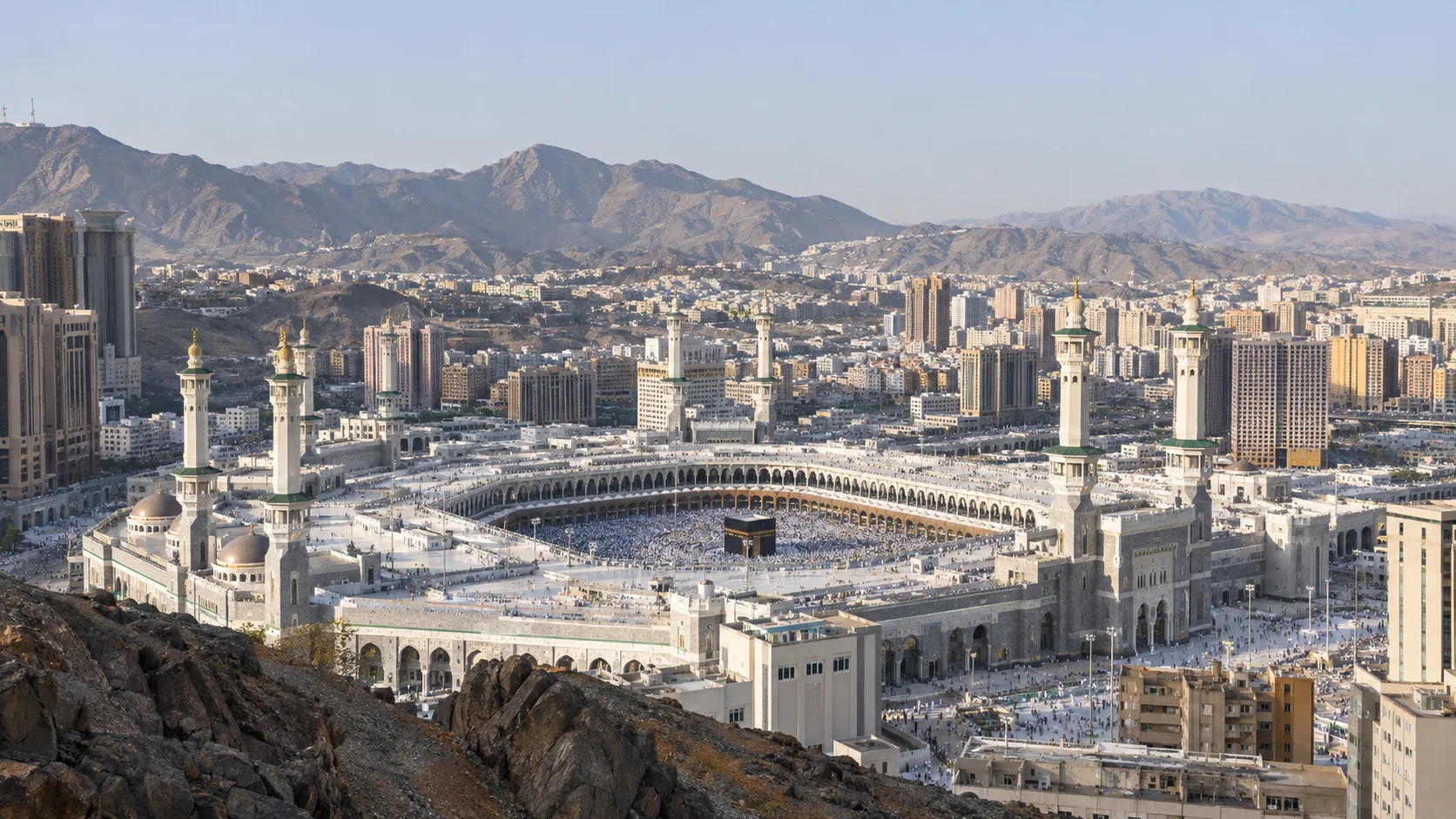
Saudi air defense intercepted and destroyed two ballistic missiles on Wednesday, November 11, above the Mecca region. According to the Saudi Civil Defense, the debris of these projectiles, fired from Yemen by the Houthi rebels, fell in several sectors of the administrative region without causing any casualties.
The fragments particularly affected the village of Sabouha, located about 35 kilometers northeast of the Grand Mosque, as well as the area of Wadi al-Maghamas, 21 kilometers east of the holy site, reports Reuters. The Saudi authorities strongly condemned these shootings. They describe them as a flagrant violation of international humanitarian law, highlighting the direct threat these attacks pose to civilians and pilgrims present in the region.
Houthis deny attack on holy sites
Houthi military spokesman Yahya Saree quickly rejected Riyadh’s accusations. He affirmed that the movement had not targeted Mecca, stressing that their operations focus exclusively on military and strategic objectives. According to Anadolu Agency, the rebel official said his forces attacked an oil pumping station in Yanbu on the Red Sea as well as King Khaled International Airport in Riyadh.
The military coalition led by Saudi Arabia also confirmed having intercepted, the same night, three cruise missiles heading towards the Saudi capital. Al Jazeera reports that two drones targeting the south of the country and the Mecca region, as well as another unmanned aircraft in the eastern province, were also destroyed by anti-aircraft defenses.
A military escalation with serious repercussions
This incident is part of a new outbreak of violence between the Saudi kingdom and the Houthis, supported by Iran. On October 24, Riyadh had already accused the Yemeni group of having fired missiles towards Mecca and Medina. Debris then fell in the same sector of Wadi al-Maghamas. These allegations are systematically described as lies by the rebels, recalls AFP. The Secretary General of the Gulf Cooperation Council, Jasem Mohamed Albudaiwi, then denounced the “heinous” attacks, seeing in them a blatant disregard for the security of civilians, reports the Madar media.
Tensions extend beyond Saudi borders. In Yemen, fighting rages between government forces and the Houthis, particularly around the town of Ma’rib. Last month, a missile attack on Aden’s international airport was strongly condemned by Yemen’s internationally recognized government.
For Saudi Arabia, securing its airspace remains a major and deadly challenge. On October 11, a missile strike against King Khaled International Airport in Riyadh claimed the lives of 12 people and injured more than 300, according to the Associated Press. The increase in these attacks, which regularly target energy infrastructure, weighs heavily on the business climate. In October, strikes on Saudi Aramco facilities forced the company to suspend certain crude shipments to Europe.
This chronic insecurity complicates Riyadh’s efforts to reassure foreign investors and develop religious and leisure tourism. However, these sectors constitute essential pillars of its Vision 2030 economic diversification plan. The continuation of this war thus continues to hinder the regional ambitions of the kingdom, while maintaining constant pressure on civilian populations.
Subscribe to the Oumma letter: our articles, our analyzes and our new programs arrive directly in your mailbox.
Free. One-click unsubscribe. Learn more
